
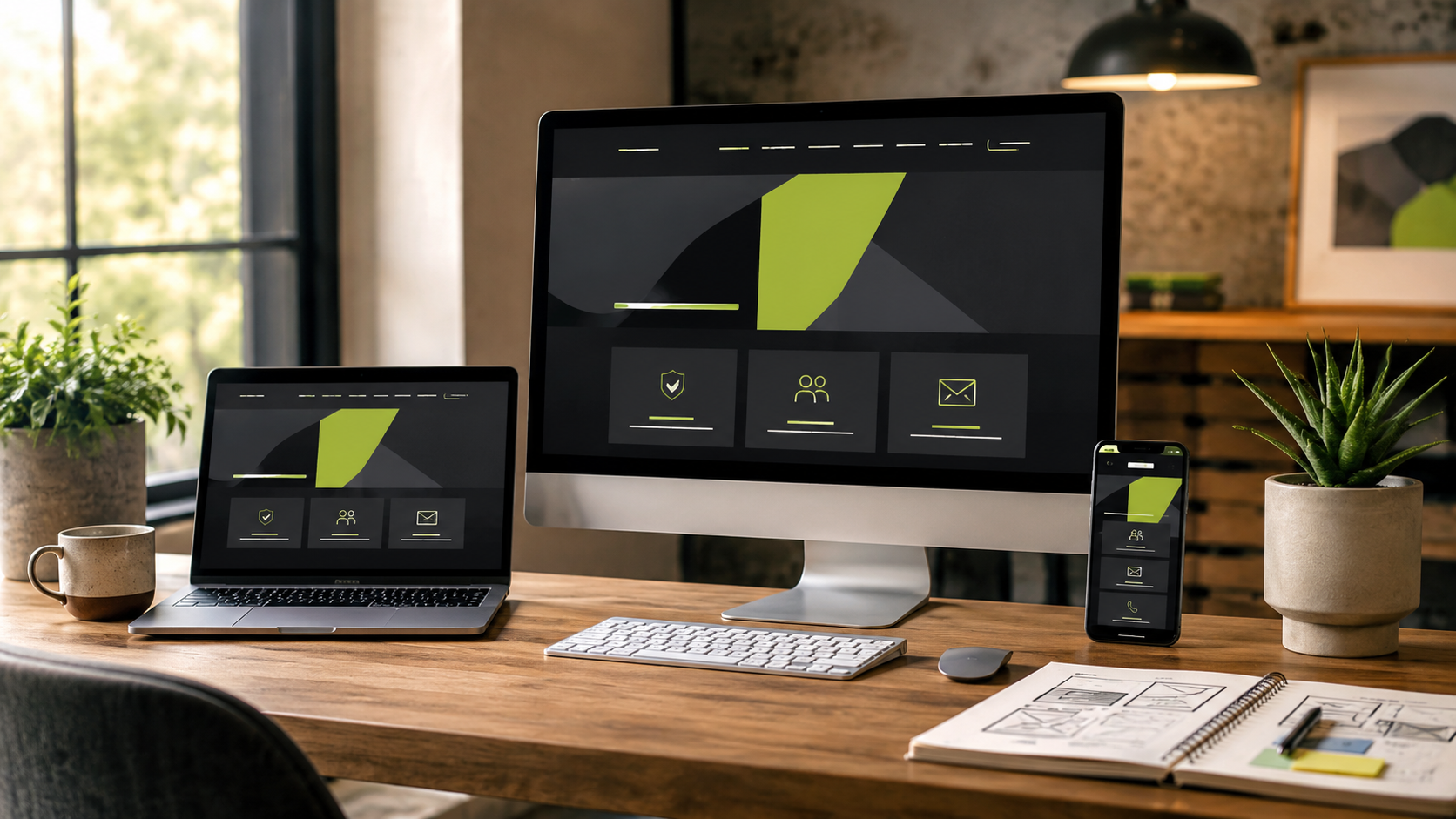
A website is often one of the first places people go when they want to learn about a business. Before calling, visiting, or making a purchase, potential customers may use your website to decide whether your business looks trustworthy and can provide what they need.
A successful small-business website does not need to be overly complicated. It needs to be clear, professional, mobile-friendly, and easy to use.
Here are the most important things a small-business website should include in 2026.
- A Clear Homepage
Your homepage should quickly explain who you are, what you offer, and who you help. Visitors should not have to search through several sections to understand your business.
A strong homepage usually includes:
• A clear headline
• A short explanation of your services
• A primary call-to-action
• Links to important pages
• Trust-building information
• A simple way to contact you
Try to view your homepage from the perspective of someone discovering your business for the first time. Within a few seconds, that person should understand what you do and what to do next.
- A Mobile-Friendly Design
Many customers will visit your website from a phone. If the site is difficult to read, slow to load, or frustrating to navigate on a smaller screen, they may leave before contacting you.
A mobile-friendly website should have readable text, properly sized buttons, simple navigation, optimized images, and forms that are easy to complete.
Mobile design is no longer an optional extra. It is a basic requirement for a professional website.
- Detailed Service or Product Information
Visitors should be able to understand what your business offers without contacting you for every basic detail.
Your service or product pages should explain:
• What you provide
• Who it is designed for
• What is included
• How the process works
• What the next step is
You do not always have to publish exact prices, especially when every project is different. However, starting prices or general price ranges can help customers decide whether your business is a realistic fit.
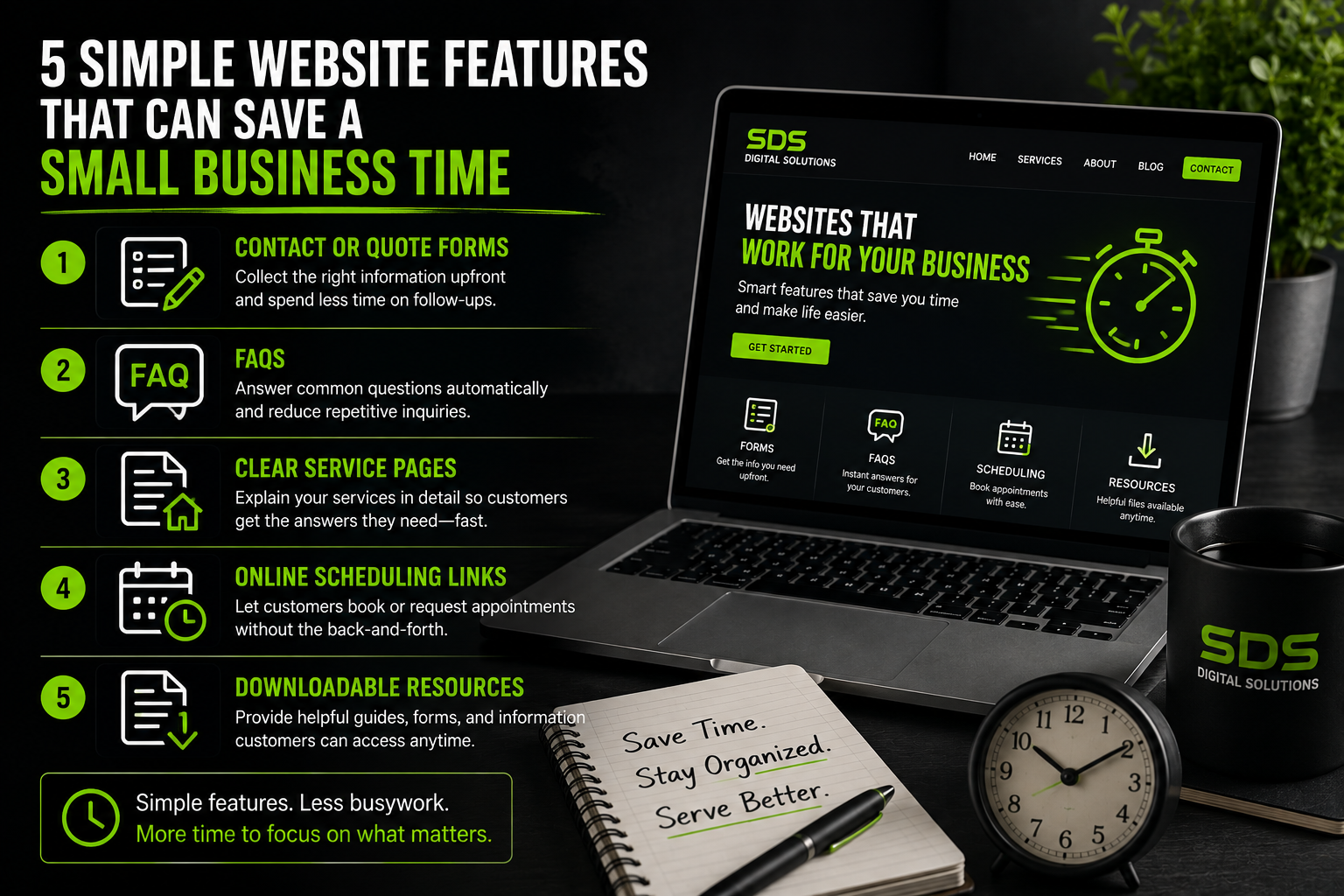
- A Simple Contact Process
Every business website needs an easy-to-find contact page. It should collect enough information for you to understand the inquiry without making the visitor complete an unnecessarily long form.
Useful fields may include the customer’s name, email address, project type, estimated budget, and a short message.
Your contact form should also include security measures that reduce automated spam while allowing legitimate customers to reach you.
- Trust-Building Information
People are cautious about doing business online, especially with a company they have never worked with before. Your website should give visitors reasons to feel comfortable contacting or hiring you.
Trust-building elements can include:
• An About page
• Customer testimonials
• Examples of completed work
• Clear business contact information
• An explanation of your process
• Policies and project terms
• Secure website connections
Honest, specific information is generally more convincing than broad claims about being the best.
- Examples of Your Work
A portfolio helps potential customers understand the quality and style of your work. The examples do not all have to be large client projects. You can also include demonstrations, templates, sample designs, or personal projects that show what you can build.
For each example, briefly explain what the project is, what problem it addresses, and what features it includes. This gives the visitor more context than an image alone.
- Clear Calls-to-Action
A call-to-action tells visitors what they should do next. Examples include “Request a Quote,” “Start Your Project,” “View Our Services,” or “Contact Us.”
Every important page should provide a logical next step. The goal is not to cover the website with buttons. It is to make sure visitors never reach the end of a page and wonder where to go.
- Fast and Reliable Performance
Large images, unnecessary scripts, outdated plugins, and poor hosting can make a website slow. Even a beautiful site can lose customers if pages take too long to load.
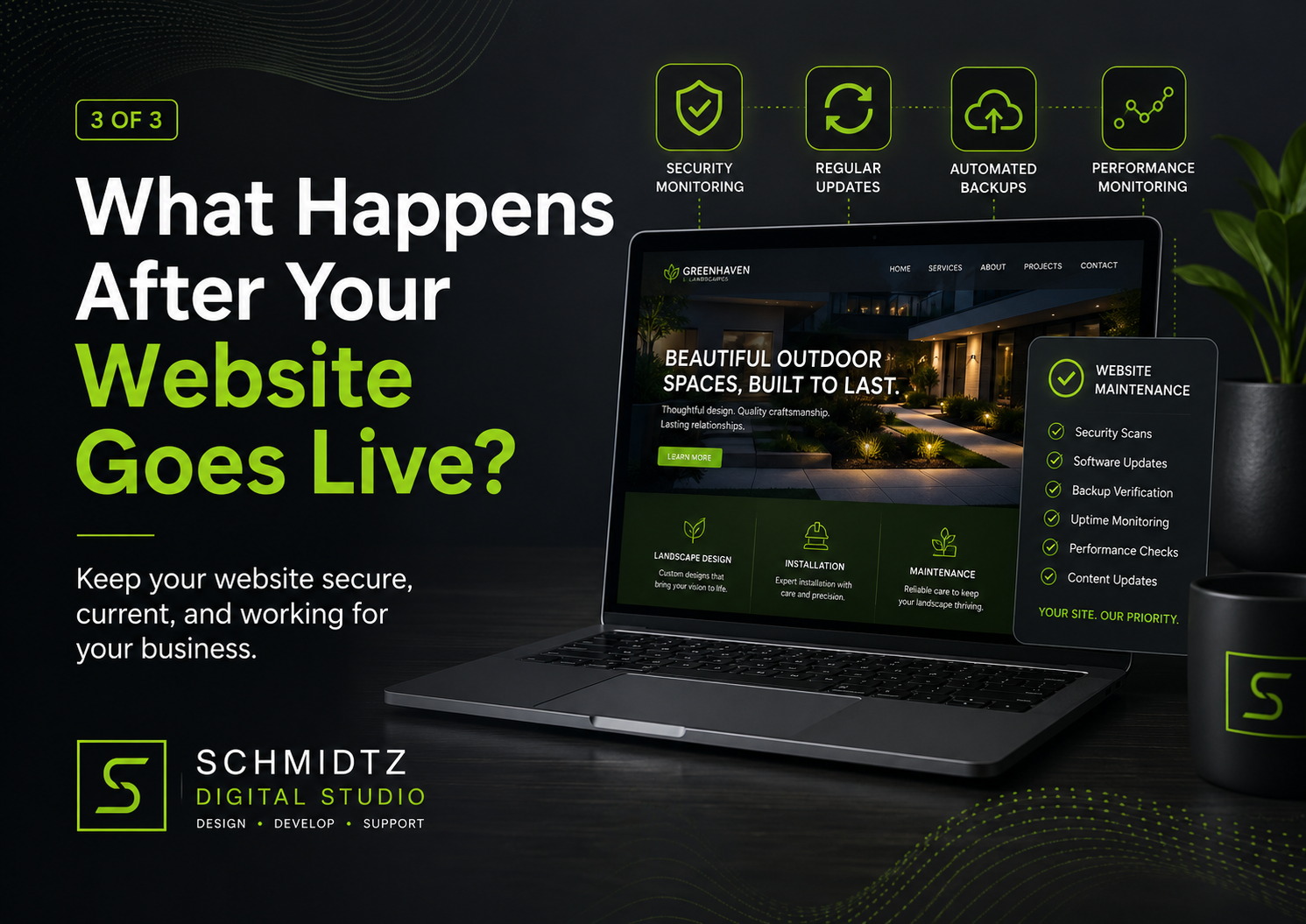
Images should be resized and optimized for the web. The website should also be maintained, backed up, and checked regularly for broken links or errors.
Good performance improves the visitor’s experience and makes the business appear more dependable.
- Basic Search Visibility
A website should be structured so search engines can understand its pages. This includes descriptive page titles, useful headings, clear written content, image descriptions, and readable URLs.
Search optimization is an ongoing process, but every website should begin with a solid technical and content foundation.
- Current and Accurate Information
An outdated website can create confusion and reduce trust. Business hours, prices, services, contact information, and policies should be reviewed regularly.
Your website should grow alongside your business. Updating it does not always require a complete redesign. Sometimes a few focused improvements can make a noticeable difference.
The Right Website Supports the Business
A small-business website should do more than simply exist. It should answer common questions, build confidence, explain your services, and make it easier for customers to take the next step.
Schmidtz Digital Studio creates professional websites and custom digital solutions for small businesses. Whether you need a straightforward starter site or a more advanced custom solution, SDS can help you build a website that supports your goals.
Visit our Services page to explore the available website packages, or contact SDS to discuss your project.

Comments
Some comments may be flagged by the security system and held for review.
No approved comments yet. You can be the first to join the discussion.
Leave a Comment
Your first name will be shown publicly after approval. Please keep comments respectful and on topic.